SPECIAL OFFERS

scsc
8 Ice Cream Styles from Around the World

8 Ice Cream Styles from Around the World

Published at August 18, 2024, Updated at September 30, 2024

Ice cream is a universal treat enjoyed by people of all ages, cultures, and backgrounds. But while the love for this frozen delight is global, the way it’s made and served varies widely depending on where you are in the world. From creamy gelato in Italy to unique flavors in Japan. Here are eight ice cream styles from around the world that offer a taste of different cultures and traditions.

1. Gelato – Italy

Where to Try: Rome, Florence, Venice

Gelato is Italy’s version of ice cream, known for its dense, creamy texture and intense flavors. Made with more milk and less cream than traditional ice cream, gelato is churned at a slower speed, resulting in less air and a denser consistency. Flavors range from classic vanilla and chocolate to more adventurous options like pistachio, stracciatella, and tiramisu.

Why It’s Special:

  • Rich Texture: Gelato’s lower fat content and slower churning process create a smooth, velvety texture that is richer than regular ice cream.
  • Flavor Intensity: The higher density means flavors are more concentrated, offering a more intense taste experience.
  • Cultural Experience: Enjoying gelato in an Italian piazza is more than just eating ice cream—it’s a cultural ritual that adds to the charm of visiting Italy.

2. Mochi Ice Cream – Japan

Where to Try: Tokyo, Kyoto, Osaka

Mochi ice cream is a Japanese confection that combines the chewy texture of mochi (glutinous rice dough) with the creamy goodness of ice cream. This bite-sized treat comes in various flavors, including matcha (green tea), red bean, and strawberry. Offering a unique fusion of textures and tastes.

Why It’s Special:

  • Textural Contrast: The combination of soft, chewy mochi and cold, creamy ice cream creates a delightful contrast that’s both fun and satisfying to eat.
  • Innovative Flavors: Mochi ice cream often features traditional Japanese flavors like matcha and yuzu, offering a unique twist on classic ice cream.
  • Portability: These small, handheld treats are perfect for on-the-go snacking, making them a popular street food in Japan.

3. Kulfi – India

Where to Try: Delhi, Mumbai, Jaipur

Kulfi is India’s traditional ice cream, known for its dense, creamy texture and rich flavors. Unlike Western ice creams, kulfi is not churned, which gives it a denser, more solid consistency. It’s typically flavored with cardamom, saffron, pistachios, and almonds, and is often served on a stick or in small clay pots.

Why It’s Special:

  • Dense and Creamy: The lack of churning results in a denser, more custard-like texture that’s different from other ice creams.
  • Delicious Flavors: Kulfi’s use of traditional Indian spices and nuts gives it a unique flavor profile that’s both aromatic and rich.
  • Cultural Significance: Kulfi is often enjoyed during festivals and celebrations, making it a sweet treat that’s deeply embedded in Indian culture.

4. Dondurma – Turkey

Where to Try: Istanbul, Antalya, Izmir

Dondurma is Turkish ice cream, famous for its chewy texture and resistance to melting. Made with ingredients like salep (a flour made from orchid tubers) and mastic (a resin). Dondurma is stretchy and thick, often requiring a knife and fork to eat. It’s commonly sold by street vendors who entertain customers with playful tricks before serving.

Why It’s Special:

  • Unique Texture: The addition of salep and mastic gives dondurma a chewy, stretchy texture that’s unlike any other ice cream.
  • Interactive Experience: Buying dondurma from a street vendor is often accompanied by a fun performance, making it a memorable part of visiting Turkey.
  • Longevity: Dondurma’s high resistance to melting makes it ideal for enjoying in Turkey’s hot climate.

5. Sorbet – France

Where to Try: Paris, Nice, Lyon

Sorbet is a French frozen dessert made from fruit puree, sugar, and water, without any dairy. It’s light, refreshing, and bursting with fruit flavor. Making it a popular choice for a palate cleanser between courses or a cool treat on a hot day. Popular sorbet flavors include raspberry, lemon, mango, and blackcurrant.

Why It’s Special:

  • Dairy-Free: Sorbet’s lack of dairy makes it a great option for those who are lactose intolerant or looking for a lighter alternative to ice cream.
  • Intense Fruit Flavor: Sorbet’s high fruit content results in a fresh, vibrant flavor that’s perfect for summer.
  • Elegance: Sorbet is often served in high-end restaurants as a sophisticated dessert or palate cleanser, adding a touch of elegance to any meal.

6. Paletas – Mexico

Where to Try: Mexico City, Guadalajara, Tulum

Paletas are Mexican popsicles made from fresh fruit, milk, and sometimes spices. They come in two main varieties: paletas de agua (water-based, made with fruit juice) and paletas de leche (milk-based, made with cream or milk). Flavors range from simple options like lime and strawberry to more combinations like mango with chili, avocado, and tamarind.

Why It’s Special:

  • Fresh Ingredients: Paletas are made with real fruit, often sourced locally, resulting in vibrant, natural flavors.
  • Creative Flavors: Mexico’s rich culinary heritage is reflected in the innovative flavor combinations found in paletas, such as spicy-sweet or creamy-fruity blends.
  • Cultural Staple: Paletas are a popular street food in Mexico, enjoyed by people of all ages and often sold by vendors from colorful carts.

7. Halo-Halo – Philippines

Where to Try: Manila, Cebu, Davao

Halo-Halo is a popular Filipino dessert that translates to “mix-mix.” This colorful, layered treat is made by combining shaved ice, evaporated milk. And a variety of ingredients such as sweetened beans, coconut strips, tapioca pearls, jellies, and tropical fruits. It’s topped with leche flan, ube (purple yam) ice cream, and sometimes even a drizzle of caramel.

Why It’s Special:

  • Layered Flavors and Textures: Halo-Halo is a delightful medley of flavors and textures, from the creaminess of the ice cream to the chewiness of the jellies and the crunch of the ice.
  • Colorful Presentation: The vibrant layers and colorful toppings make halo-halo as visually appealing as it is tasty.
  • Cultural Fusion: Halo-Halo reflects the diverse influences in Filipino cuisine, blending ingredients and flavors from various cultures into one delicious dessert.

8. Spaghettieis – Germany

Where to Try: Berlin, Munich, Frankfurt

Spaghettieis is a German ice cream dessert that creatively resembles a plate of spaghetti. Vanilla ice cream is extruded through a spaetzle press or potato ricer to look like spaghetti noodles. Then topped with strawberry sauce to mimic tomato sauce, and grated white chocolate or coconut flakes to represent Parmesan cheese. It’s a fun and playful dessert that’s especially popular with children.

Why It’s Special:

  • Playful Presentation: The novelty of ice cream shaped like spaghetti makes spaghettieis a fun and whimsical treat.
  • Unique German Creation: Spaghettieis is a distinctly German invention, created in the 1960s by an ice cream parlor owner looking to offer something different.
  • Nostalgic Delight: For many Germans, spaghettieis is a nostalgic dessert that brings back memories of childhood visits to the local ice cream shop.

From the creamy gelato of Italy to the chewy dondurma of Turkey. These eight ice cream styles showcase the rich diversity of frozen desserts around the world.

Each offers a unique taste experience, reflecting the flavors, textures, and cultural traditions of its region. Whether you’re indulging in the dense sweetness of kulfi in India or savoring the refreshing simplicity of sorbet in France. These ice cream styles are sure to satisfy your sweet tooth and inspire your next culinary adventure.

So, the next time you travel, be sure to seek out the local ice cream specialty. It’s a delicious way to explore a new culture!

8 Seafood Specialties Worth Traveling For

8 Seafood Specialties Worth Traveling For

Published at August 17, 2024, Updated at September 30, 2024

Seafood is one of the most celebrated and diverse cuisines in the world, offering an array of flavors, textures, and cooking styles that vary from region to region. Whether it’s a rustic dish prepared by local fishermen or a delicacy served in a fine dining restaurant, seafood lovers are always on the lookout for the next great culinary adventure. Here are eight seafood specialties that are worth traveling for, each offering a unique taste of its local culture and culinary traditions.

1. Paella de Mariscos – Spain

Where to Try: Valencia, Spain

Paella is one of Spain’s most iconic dishes, and the Seafood Specialties, known as Paella de Mariscos, is a must-try for seafood lovers. Originating from the coastal region of Valencia, this dish combines saffron-infused rice with a variety of fresh seafood, including prawns, mussels, clams, and squid.

Why It’s Special:

  • Authentic Experience: Valencia is the birthplace of paella, and tasting it here ensures you get the most authentic version, often cooked over an open flame.
  • Rich Flavors: The combination of fresh seafood, saffron, and a rich seafood broth gives Paella de Mariscos its distinctive, savory flavor.
  • Cultural Significance: Paella is more than just a dish; it’s a social event in Spain, often enjoyed with friends and family.

2. Lobster Roll – USA

Where to Try: Maine, USA

The lobster roll is a quintessential New England dish that has become synonymous with the state of Maine. This simple yet decadent sandwich features tender chunks of lobster meat, lightly dressed in mayonnaise or butter, and served in a toasted bun.

Why It’s Special:

  • Fresh Lobster: Maine is known for its high-quality lobster, caught fresh from the cold Atlantic waters.
  • Simplicity: The lobster roll’s simplicity allows the sweet, succulent flavor of the lobster to shine through.
  • Coastal Charm: Enjoying a lobster roll at a seaside shack in Maine offers a true taste of New England’s coastal charm.

3. Sushi – Japan

Where to Try: Tokyo, Japan

Sushi is a culinary art form in Japan, and there’s no better place to experience it than in Tokyo. From high-end sushi bars to traditional sushi-ya, Tokyo offers an unparalleled sushi experience with the freshest fish and meticulous preparation.

Why It’s Special:

  • Exceptional Quality: Tokyo’s Tsukiji and Toyosu Fish Markets supply the city’s top sushi chefs with the freshest seafood, ensuring an unmatched level of quality.
  • Artful Preparation: The skill and precision of sushi chefs in Tokyo elevate sushi to a fine dining experience, with each piece crafted to perfection.
  • Cultural Immersion: Dining at a traditional sushi-ya offers a deep dive into Japanese culinary culture and the art of sushi-making.

4. Chilli Crab – Singapore

Where to Try: Singapore

Chilli Crab is Singapore’s most famous dish and a must-try for anyone visiting the city-state. This flavorful dish features mud crabs stir-fried in a thick, tangy, and spicy tomato-based sauce, often served with steamed buns to soak up the sauce.

Why It’s Special:

  • Unique Flavor Profile: The combination of sweet, spicy, and tangy flavors makes chilli crab a unique and unforgettable dish.
  • Cultural Icon: Chilli crab is more than just food in Singapore—it’s a national dish that represents the city’s vibrant culinary scene.
  • Local Experience: Enjoying chilli crab at a bustling seafood restaurant in Singapore offers a lively dining experience that reflects the city’s energy.

5. Bacalhau à Brás – Portugal

Where to Try: Lisbon, Portugal

Bacalhau à Brás is a classic Portuguese dish made from salted codfish, onions, and thinly sliced potatoes, all bound together with scrambled eggs and garnished with olives and parsley. This comforting dish is a staple of Portuguese cuisine.

Why It’s Special:

  • Historical Significance: Salted cod, or bacalhau, has been a cornerstone of Portuguese cuisine for centuries, with Bacalhau à Brás being one of its most beloved preparations.
  • Homestyle Comfort: The dish’s warm, hearty nature makes it the ultimate comfort food, perfect for a cozy meal in a traditional Lisbon tasca.
  • Cultural Connection: Tasting Bacalhau à Brás in Lisbon offers a connection to Portugal’s maritime history and its long-standing love affair with cod.

6. Ceviche – Peru

Where to Try: Lima, Peru

Ceviche is Peru’s national dish and a vibrant, refreshing seafood specialty made from raw fish marinated in lime juice, mixed with onions, cilantro, and spicy peppers. The acidity of the lime juice “cooks” the fish, resulting in a dish that is both light and flavorful.

Why It’s Special:

  • Fresh Ingredients: Peruvian ceviche is made with the freshest fish, often caught just hours before being served.
  • Bold Flavors: The combination of citrus, chili, and fresh herbs creates a bright, zesty flavor profile that is uniquely Peruvian.
  • Cultural Tradition: Ceviche is a dish that embodies the spirit of Peru, offering a taste of the country’s coastal traditions and culinary innovation.

7. Moules-Frites – Belgium

Where to Try: Brussels, Belgium

Moules-Frites, or mussels and fries, is a Belgian classic that pairs steamed mussels with a side of crispy fries. The mussels are typically cooked in white wine, garlic, and herbs, creating a fragrant and flavorful broth.

Why It’s Special:

  • Perfect Pairing: The combination of tender mussels and crispy fries is a match made in culinary heaven, offering a satisfying contrast of textures.
  • Local Tradition: Moules-Frites is a beloved dish in Belgium, often enjoyed with a glass of local beer and shared among friends.
  • Comfort Food: This dish is a comforting staple of Belgian cuisine, offering a warm and hearty meal that’s perfect for any time of year.

8. Prawn Laksa – Malaysia

Where to Try: Penang, Malaysia

Laksa is a spicy noodle soup that is a beloved dish across Southeast Asia, and the prawn laksa from Penang, Malaysia, is one of the most famous versions. This aromatic soup features a rich, coconut-based broth, plump prawns, and rice noodles, all flavored with a blend of spices.

Why It’s Special:

  • Complex Flavors: Penang prawn laksa is known for its complex flavor profile, combining spicy, sour, and savory notes in every bite.
  • Cultural Fusion: Laksa reflects the multicultural influences of Malaysia, blending Chinese, Malay, and Indian culinary traditions.
  • Street Food Experience: Enjoying a bowl of prawn laksa from a street vendor in Penang offers an authentic taste of Malaysia’s vibrant food culture.

Seafood Specialties that are worth traveling for

Seafood lovers will find that each of these eight seafood specialties offers a unique culinary experience that is well worth the journey.

From the bustling streets of Singapore to the serene beaches of Peru, these dishes showcase the diverse and delicious ways that seafood is enjoyed around the world.

Whether you’re drawn to the simplicity of a Maine lobster roll or the bold flavors of Peruvian ceviche, these seafood specialties are sure to leave a lasting impression on your taste buds.

So pack your bags and prepare for a culinary adventure—you might just discover your new favorite dish along the way.

The Diverse World of Coconuts: Varieties and Health Benefits

The Diverse World of Coconuts: Varieties and Health Benefits

Published at July 31, 2024, Updated at September 30, 2024

Coconuts, often referred to as the “tree of life,” are a versatile and nutritious fruit that thrive in tropical climates. Asia, with its diverse ecosystems, is home to numerous varieties of coconuts, each offering unique flavors and health benefits. This article explores the different types of coconuts found in Asia and highlights their various health advantages.

Varieties of Coconuts in Asia

  1. Green Coconut (Tender Coconut)
  • Origin: Widely found in tropical regions of Southeast Asia, including Thailand, Indonesia, and the Philippines.
  • Description: These coconuts are harvested when they are young and green. They contain a large amount of refreshing water and a soft, jelly-like flesh.
  • Uses: Green coconuts are primarily consumed for their water, which is rich in electrolytes and nutrients. The tender flesh can be eaten fresh or used in desserts and smoothies.
  1. Brown Coconut (Mature Coconut)
  • Origin: Commonly found across South and Southeast Asia.
  • Description: Brown coconuts are mature fruits with a hard, fibrous husk and a thick, white meat inside.
  • Uses: The meat is used to produce coconut milk, oil, and desiccated coconut. The water inside mature coconuts is less sweet than that of green coconuts but still nutritious.
  1. King Coconut
  • Origin: Native to Sri Lanka.
  • Description: Smaller and more elongated than the typical green coconut, with a distinctive orange or yellowish husk.
  • Uses: Valued for its sweet, clear water, which is often considered superior in taste and nutritional content. King coconuts are often consumed fresh.
  1. Dwarf Coconut Varieties
  • Origin: Found in various parts of Asia, including Malaysia, Thailand, and India.
  • Description: These coconuts come from dwarf palm trees that are shorter in stature and often bear fruit earlier than taller varieties.
  • Uses: The coconuts from dwarf varieties are similar in use to those from taller trees, but the smaller trees are easier to harvest.

Health Benefits of Coconuts

Coconuts, in their various forms, offer numerous health benefits:

  1. Hydration and Electrolyte Balance
  • Coconut Water: The clear liquid found inside green and king coconuts is a natural isotonic beverage rich in electrolytes such as potassium, sodium, and magnesium. It is an excellent hydrator, particularly after exercise or during hot weather.
  1. Heart Health
  • Coconut Oil: Contains medium-chain triglycerides (MCTs), which are believed to promote heart health by increasing good HDL cholesterol levels. Some studies suggest that MCTs may also help with weight management by boosting metabolism.
  1. Digestive Health
  • Coconut Meat: High in dietary fiber, aiding digestion and promoting a healthy gut. The fiber content helps regulate bowel movements and can prevent constipation.
  1. Immune Support
  • Lauric Acid: Found in both coconut oil and meat, lauric acid has antimicrobial properties that can help boost the immune system and protect against infections.
  1. Skin and Hair Care
  • Coconut Oil: Widely used in cosmetic products for its moisturizing and anti-inflammatory properties. It can help treat dry skin, reduce eczema symptoms, and improve hair health by preventing protein loss and adding shine.
  1. Antioxidant Properties
  • Coconut Meat and Water: Contain antioxidants that help protect the body from oxidative stress and free radical damage, potentially reducing the risk of chronic diseases.
  1. Blood Sugar Control
  • Coconut Flour: Made from dried coconut meat, it is low in carbohydrates and high in fiber, making it a good alternative for people with diabetes or those looking to manage their blood sugar levels.

Conclusion

Coconuts are a remarkable fruit with a rich diversity of varieties across Asia. Each type of coconut offers unique flavors and culinary uses, as well as a range of health benefits that make them a valuable addition to any diet.

Whether consumed as water, oil, milk, or meat, coconuts provide essential nutrients and natural compounds that support overall health and well-being. Embracing the nutritional power of coconuts can contribute to a healthier lifestyle and a deeper appreciation for this tropical treasure.

Top 5 Dangerous Foods in the World and Their Health Impacts

Top 5 Dangerous Foods in the World and Their Health Impacts

Published at July 17, 2024, Updated at September 30, 2024

While many foods are celebrated for their flavors and nutritional benefits, some can pose significant risks if not prepared or consumed correctly. Here are five of the most dangerous foods in the world, along with the health impacts they can cause.

1. Fugu (Pufferfish) – Japan

Why It’s Dangerous:
Fugu, or pufferfish, is a delicacy in Japan but contains tetrodotoxin, a potent neurotoxin. The toxin is primarily found in the fish’s liver, ovaries, and skin. If not prepared correctly, consuming even a small amount can be fatal.

Health Impacts:

  • Tetrodotoxin Poisoning: Symptoms include numbness, paralysis, respiratory failure, and, in severe cases, death. There is no known antidote, and treatment focuses on supportive care.
  • Risk of Death: Improperly prepared fugu can lead to rapid and severe poisoning, with a high mortality rate.

2. Ackee Fruit – Jamaica

Why It’s Dangerous:
Ackee, the national fruit of Jamaica, is delicious when ripe but can be deadly if consumed unripe. The unripe fruit contains hypoglycin A and B, toxins that can cause serious health issues.

Health Impacts:

  • Jamaican Vomiting Sickness: Symptoms include severe vomiting, hypoglycemia, convulsions, and potentially death if not treated promptly.
  • Hypoglycemia: The toxins inhibit the body’s ability to release glucose, leading to dangerously low blood sugar levels.

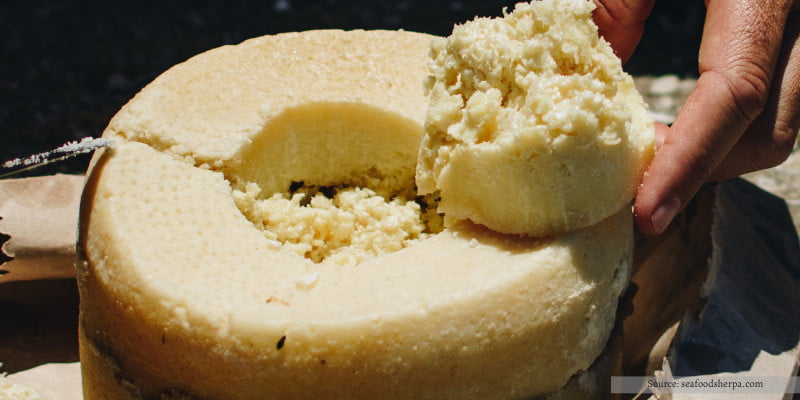
3. Casu Marzu – Italy

Why It’s Dangerous:
Casu Marzu is a traditional Sardinian cheese that is intentionally infested with live maggots. The larvae help ferment the cheese but can pose health risks if consumed.

Health Impacts:

  • Intestinal Myiasis: Ingesting live larvae can lead to myiasis, where the larvae infest and damage the intestines.
  • Allergic Reactions: Consuming Casu Marzu can cause allergic reactions in sensitive individuals, leading to symptoms like vomiting, diarrhea, and abdominal pain.

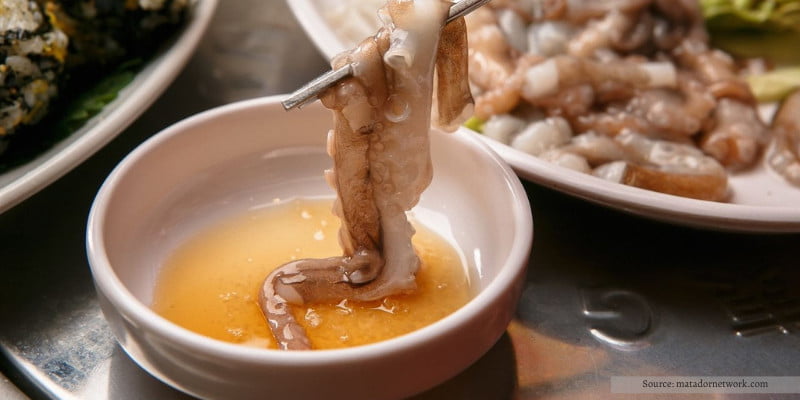
4. Sannakji (Live Octopus) – Korea

Why It’s Dangerous:
Sannakji is a Korean dish consisting of live octopus tentacles. The tentacles are usually cut into small pieces and served immediately, still wriggling. The suction cups on the tentacles pose a choking hazard.

Health Impacts:

  • Choking Hazard: The active suction cups can stick to the throat, leading to choking and potentially fatal asphyxiation.
  • Gastrointestinal Issues: Consuming live or undercooked seafood can also pose risks of foodborne illnesses.

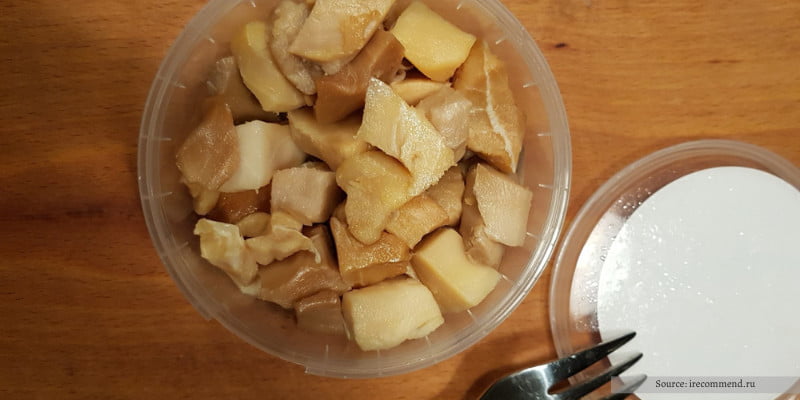
5. Hákarl (Fermented Shark) – Iceland

Why It’s Dangerous:
Hákarl is a traditional Icelandic dish made from the Greenland shark, which contains high levels of urea and trimethylamine oxide. These compounds are toxic and must be reduced through a lengthy fermentation and drying process.

Health Impacts:

  • Toxicity: Improperly prepared hákarl can cause severe food poisoning, with symptoms including nausea, vomiting, and diarrhea.
  • Gastrointestinal Distress: Even properly prepared hákarl can be difficult to digest for some people, leading to gastrointestinal discomfort.

While these dangerous foods are considered delicacies in their respective cultures, they come with significant risks. Proper preparation by trained professionals is crucial to minimize health hazards. If you’re adventurous enough to try these foods, it’s essential to ensure they are prepared correctly to avoid potentially severe health impacts.

The Deliciousness of Babi Guling

Babi Guling: The Deliciousness of Balinese cuisine

Published at July 1, 2024, Updated at September 30, 2024

When one thinks of Balinese cuisine, the mind often conjures images of rich flavors, aromatic spices, and vibrant dishes. Among these culinary treasures, Babi Guling stands out as a must-try delicacy for anyone visiting Bali. Known as the island’s version of roast pork, Babi Guling is a feast for the senses, offering a taste experience that is both unique and unforgettable. Here’s a deep dive into what makes Babi Guling so delicious and beloved.

A Balinese Culinary Delight

The Preparation Process

The preparation of Babi Guling begins with a whole pig, typically a young and tender one, which is marinated with a rich blend of traditional Balinese spices. The marinade usually includes a mixture of turmeric, coriander, lemongrass, garlic, shallots, and galangal, along with a generous amount of salt and pepper.

The pig is then stuffed with a mixture of more spices, herbs, and sometimes vegetables like cassava leaves. This stuffing not only infuses the meat with flavor but also helps to keep it moist and tender during the roasting process.

Traditionally, Babi Guling is roasted on a spit over an open fire. This method allows the meat to cook slowly and evenly, ensuring that it becomes tender on the inside while developing a crispy, golden-brown skin on the outside. The constant turning of the spit helps to baste the pig in its own juices, enhancing the flavor and creating a delectable outer crust.

The Balinese cuisine

One of the highlights of Babi Guling is its crispy skin. The skin, having been roasted to perfection, offers a satisfying crunch with every bite. It’s seasoned with the marinade and absorbs some of the smokiness from the open fire, adding depth to its flavor.

The meat of Babi Guling is succulent and juicy, infused with the aromatic spices from the marinade and stuffing. Each bite offers a harmonious blend of savory and slightly sweet flavors, with the herbs and spices providing a complex and delightful taste.

The use of traditional Balinese spices gives Babi Guling its distinctive aroma and taste. The combination of turmeric, lemongrass, and galangal, among others, creates a rich and aromatic flavor profile that is comforting.

The Accompaniments

Babi Guling is often served with a variety of side dishes and condiments that complement its rich flavors:

Lawar:
A traditional Balinese dish made from chopped vegetables, grated coconut, and minced meat (often including pig’s blood). Lawar adds a crunchy texture and earthy flavor to the meal.

Sambal:
Spicy chili paste that adds heat and a burst of flavor. There are many variations of sambal, each offering a unique taste experience.

Rice:
Steamed white rice or sometimes yellow rice (nasi kuning) is typically served alongside Babi Guling, providing a neutral base that balances the rich and spicy flavors.

The Cultural Significance

Babi Guling is more than just a dish; it holds a special place in Balinese culture. It is often prepared for ceremonial occasions and communal gatherings, symbolizing prosperity and celebration.

Sharing Babi Guling with family and friends is a cherished tradition, and the preparation itself is often a communal activity, bringing people together in the spirit of cooperation and festivity.

Where to Try Babi Guling

While Babi Guling can be found in many places throughout Bali, some eateries are particularly renowned for their exceptional preparation of this dish:

  1. Warung Ibu Oka in Ubud:
    One of the most famous spots to enjoy Babi Guling, known for its flavorful and tender meat.
  2. Babi Guling Candra in Denpasar:
    A popular destination for locals and tourists alike, offering a delicious and authentic Babi Guling experience.
  3. Pak Dobiel in Nusa Dua:
    Renowned for its traditional preparation and succulent pork.
  4. Balinese Night at Canna Bali:
    Balinese Night at Canna Bali promises an evening filled with music, dance, and flavours that will immerse visitors in the grandeur of Balinese culture. The event starts at 6:30 PM and runs until 10:00 PM every Saturday.

Babi Guling is a testament to the richness of Balinese cuisine, showcasing a mastery of flavors and culinary techniques. Its crispy skin, juicy meat, and aromatic spices create a dish that is both complex and deeply satisfying.

Whether enjoyed in a bustling market, a cozy warung, or during a festive celebration, Babi Guling offers a taste of Bali that is truly unforgettable. For anyone visiting the island, indulging in this culinary delight is an experience not to be missed.

The Largest Seaweed Producing Countries in Asia

The Largest Seaweed Producing Countries in Asia

Published at June 20, 2024, Updated at September 30, 2024

Seaweed, a versatile and nutritious marine resource, is an integral part of Asian cuisine, agriculture, and industry. It is used in food, cosmetics, pharmaceuticals, and as biofuel. Asia is the leading producer of seaweed, thanks to its vast coastlines and favorable marine conditions. Here’s a list of the largest seaweed producing countries in Asia, highlighting their contributions to the global seaweed industry.

Seaweed Producing Countries

1. China

China is the world’s largest seaweed producing countries, contributing significantly to both the food and industrial sectors. The country’s extensive coastline and favorable climate make it ideal for large-scale seaweed farming.

  • Types of Seaweed: Nori, kelp, and wakame are among the most commonly cultivated varieties.
  • Production Areas: Major production regions include the Yellow Sea and the South China Sea.
  • Uses: In addition to culinary uses, Chinese seaweed is used in pharmaceuticals, fertilizers, and as a biofuel.

2. Indonesia

Indonesia is a major player in the global seaweed market, particularly known for its production of carrageenan, a gelling agent extracted from red seaweed.

  • Types of Seaweed: Kappaphycus alvarezii and Eucheuma cottonii are widely farmed for carrageenan production.
  • Production Areas: Key farming regions include Sulawesi, Bali, and the Java Sea.
  • Uses: Indonesian seaweed is primarily used in food processing, cosmetics, and industrial applications.

3. South Korea

South Korea has a long history of seaweed cultivation, with a focus on high-quality products for both domestic consumption and export.

  • Types of Seaweed: Nori (gim), kelp (dasima), and sea mustard (miyeok) are popular varieties.
  • Production Areas: Major cultivation areas include the coasts of Jeollanam-do and Gyeongsangnam-do provinces.
  • Uses: Seaweed is a staple in Korean cuisine and is also used in traditional medicine, skincare products, and as a dietary supplement.

4. Japan

Japan is renowned for its sophisticated seaweed industry, producing a wide variety of seaweed products that are integral to Japanese cuisine and culture.

  • Types of Seaweed: Nori, kombu, and wakame are the most prominent types.
  • Production Areas: Key regions include Hokkaido, Miyagi, and Saga.
  • Uses: Japanese seaweed is used in sushi, soups, salads, and snacks, and is also valued for its health benefits.

5. Philippines

The Philippines is a significant seaweed producer, particularly noted for its contribution to the carrageenan industry.

  • Types of Seaweed: Eucheuma and Kappaphycus species are the primary varieties grown for carrageenan.
  • Production Areas: Major farming regions include Mindanao, the Visayas, and Palawan.
  • Uses: Seaweed from the Philippines is used in food products, cosmetics, and as a thickening agent in various industrial processes.

6. Malaysia

Malaysia’s seaweed industry is rapidly growing, with an emphasis on sustainable and innovative farming practices.

  • Types of Seaweed: Kappaphycus and Eucheuma species dominate production.
  • Production Areas: Key regions include Sabah and the coastal waters of East Malaysia.
  • Uses: Malaysian seaweed is primarily used in the production of carrageenan, as well as in food and cosmetics.

7. Vietnam

Vietnam has been expanding its seaweed production capabilities, focusing on both domestic use and export markets.

  • Types of Seaweed: Gracilaria and Kappaphycus are the main species cultivated.
  • Production Areas: Coastal provinces like Khanh Hoa and Ninh Thuan are prominent production sites.
  • Uses: Vietnamese seaweed is used in food processing, agriculture, and pharmaceuticals.

8. Thailand

Thailand’s seaweed industry is smaller compared to other Asian countries but is steadily growing, with a focus on high-quality products.

  • Types of Seaweed: Gracilaria and Sargassum are commonly farmed varieties.
  • Production Areas: Coastal regions, especially in the south, are key production areas.
  • Uses: Thai seaweed is used in food, health supplements, and cosmetics.

9. India

India is emerging as a significant player in the seaweed industry, with efforts to scale up production and tap into the global market.

  • Types of Seaweed: Gracilaria, Gelidiella, and Sargassum are among the species cultivated.
  • Production Areas: Coastal states like Tamil Nadu, Gujarat, and Maharashtra are major production hubs.
  • Uses: Indian seaweed is used in food, fertilizers, and the pharmaceutical industry.

Asia dominates the global seaweed production landscape, thanks to its extensive coastlines, favorable climatic conditions, and centuries-old traditions of seaweed cultivation.

Countries like China, Indonesia, South Korea, Japan, the Philippines, Malaysia, Vietnam, Thailand, and India are at the forefront, each contributing unique varieties and products to the global market.

As the demand for seaweed continues to grow, these countries are poised to play an even more significant role in the sustainable and innovative use of this valuable marine resource.

Balinese Traditional Cakes That Are Hard to Find Nowadays

Balinese Traditional Cakes That Are Hard to Find Nowadays

Published at May 31, 2024, Updated at September 30, 2024

Bali is renowned for its rich cultural heritage and unique culinary traditions. Among the island’s many gastronomic delights are its traditional cakes, known as “jajan Bali.” These cakes are an integral part of Balinese ceremonies and daily life. However, with the rapid modernization and changes in lifestyle, some of these traditional cakes are becoming increasingly hard to find. Here’s a look at some of these disappearing Balinese traditional cakes and their cultural significance.

Balinese Traditional Cakes

1. Jaja Bendu

Description:
Jaja Bendu is a traditional Balinese cake made from sticky rice flour filled with grated coconut and brown sugar (gula merah). It is wrapped in banana leaves and steamed until it becomes soft and chewy.

Why It’s Hard to Find:

  • Labor-Intensive Process: The preparation of Jaja Bendu is time-consuming and requires meticulous attention to detail, making it less popular among modern-day bakers.
  • Decline in Traditional Markets: With the rise of supermarkets and modern bakeries, traditional markets where Jaja Bendu was commonly sold are dwindling.

2. Bubuh Injin

Description:
Bubuh Injin is a black rice pudding made from black glutinous rice, coconut milk, and palm sugar. It is traditionally served as a dessert or during religious ceremonies.

Why It’s Hard to Find:

  • Ingredient Availability: The specific type of black glutinous rice used in Bubuh Injin is not as readily available as it once was.
  • Modern Alternatives: Contemporary desserts and snacks have overshadowed traditional options like Bubuh Injin, reducing its demand.

3. Jaja Godoh

Description:
Jaja Godoh is a traditional Balinese fritter made from mashed bananas mixed with rice flour, sugar, and a hint of salt. The mixture is deep-fried until golden brown and crispy.

Why It’s Hard to Find:

  • Competition with Modern Snacks: Modern fast food and snacks are more convenient and widely available, leading to a decline in the popularity of traditional fritters like Jaja Godoh.
  • Health Concerns: With increasing health consciousness, deep-fried snacks are often avoided, contributing to the reduced availability of Jaja Godoh.

4. Laklak

Description:
Laklak is a type of rice cake made from rice flour and coconut milk, traditionally colored green with pandan leaves. It is cooked on a clay griddle and served with grated coconut and palm sugar syrup.

Why It’s Hard to Find:

  • Traditional Cooking Methods: The preparation of Laklak requires traditional clay griddles, which are becoming rare. Modern cooking equipment is less suitable for making these cakes.
  • Urbanization: As more Balinese families move to urban areas, traditional practices and the making of cakes like Laklak are being lost.

5. Sumping Waluh

Description:
Sumping Waluh is a steamed cake made from pumpkin, rice flour, and coconut milk, wrapped in banana leaves. It has a unique flavor and a soft, pudding-like texture.

Why It’s Hard to Find:

  • Seasonal Ingredients: The availability of fresh pumpkin can be seasonal, making it harder to produce Sumping Waluh year-round.
  • Preference for Convenience: The effort required to prepare and steam the cakes has led to a preference for quicker, more convenient desserts.

6. Klepon

Description:
Klepon is a glutinous rice cake filled with palm sugar and coated in grated coconut. When bitten into, the liquid palm sugar inside bursts out, offering a delightful surprise.

Why It’s Hard to Find:

  • Modern Competition: Similar to other traditional cakes, Klepon faces competition from modern, commercially produced snacks and sweets.
  • Changing Palates: Younger generations may prefer more contemporary flavors and textures, leading to a decline in traditional recipes.

Preserving Balinese Culinary Heritage

The decline in traditional Balinese cakes is a reflection of broader cultural changes. However, there is a growing movement to preserve and promote these culinary traditions. Efforts include:

  • Culinary Workshops: Local chefs and cultural organizations are offering workshops to teach the younger generation how to make traditional Balinese cakes.
  • Cultural Festivals: Food festivals and cultural events often feature traditional Balinese cakes, helping to raise awareness and appreciation.
  • Documentation: Documenting recipes and techniques is crucial for preserving these culinary traditions for future generations.

Balinese traditional cakes are more than just food; they are a vital part of the island’s cultural heritage. While some of these cakes are becoming hard to find, efforts to preserve and revive these culinary traditions are essential.

By supporting local markets, participating in cultural events, and learning traditional recipes, we can help ensure that these delightful cakes remain a cherished part of Balinese culture.

Indonesia's Best Traditional Drinks

Indonesia’s Best Traditional Drinks

Published at May 18, 2024, Updated at September 30, 2024

With its rich cultural heritage and diverse landscapes, Indonesia offers a plethora of traditional drinks that reflect the country’s vibrant history and local flavors. From the tropical islands of Bali to the highlands of Java, these drinks are an essential part of Indonesian culinary tradition. Here’s a guide to some of the best traditional drinks in Indonesia that you must try.

The Best Traditional Drinks in Indonesia

1. Jamu

Origin: Java
Description: Jamu is a traditional herbal drink that has been consumed for centuries for its health benefits. Made from natural ingredients such as turmeric, ginger, tamarind, and lime, Jamu is believed to boost the immune system, improve digestion, and enhance overall wellness. Each region in Indonesia has its own variation, with different ingredients and recipes passed down through generations.

Popular Variants:

  • Jamu Kunyit Asam: A blend of turmeric and tamarind, known for its anti-inflammatory properties.
  • Jamu Beras Kencur: Made with rice and greater galangal, this variant is often enjoyed for its refreshing and energizing qualities.

2. Es Cendol (Dawet)

Origin: Java
Description: Es Cendol, also known as Dawet in some regions, is a popular iced sweet dessert drink. It consists of green rice flour jelly, coconut milk, and palm sugar syrup, served over shaved ice. The green jelly gets its color from pandan leaves, which also add a unique aroma and flavor.

Occasions: Es Cendol is often enjoyed during hot days and is a staple at traditional Indonesian celebrations and festivals.

3. Wedang Jahe

Origin: Java
Description: Wedang Jahe is a warming ginger tea, perfect for chilly evenings or when you need something soothing. Made by boiling fresh ginger root with palm sugar and sometimes pandan leaves, this drink is both spicy and sweet.

Health Benefits: Known for its digestive benefits and its ability to alleviate cold symptoms, Wedang Jahe is not just a delicious beverage but also a traditional remedy.

4. Bajigur

Origin: West Java (Sundanese)
Description: Bajigur is a hot, sweet beverage made from coconut milk, palm sugar, and ginger. Sometimes it includes pandan leaves and a hint of salt for added flavor. Bajigur is typically enjoyed during the rainy season or cooler months.

Serving Style: Often served with traditional snacks like steamed banana or boiled peanuts, making it a comforting and filling drink.

5. Bandrek

Origin: West Java (Sundanese)
Description: Similar to Bajigur, Bandrek is another traditional hot drink from West Java. It is made from ginger, cinnamon, cloves, and palm sugar, with the option to add coconut milk. Bandrek is particularly popular among those looking to warm up in the cooler highland climates.

Health Benefits: Known for its ability to warm the body and relieve sore throats and colds, Bandrek is both delicious and therapeutic.

6. Teh Talua

Origin: West Sumatra (Minangkabau)
Description: Teh Talua, or egg tea, is a unique traditional drink made by whisking a raw egg yolk with sugar until frothy, then adding hot black tea and sometimes a squeeze of lime juice. This rich and creamy beverage is often consumed for breakfast or as a pick-me-up.

Nutritional Value: High in protein and energy, Teh Talua is both a refreshing and nutritious drink.

7. Es Doger

Origin: West Java
Description: Es Doger is a vibrant and colorful iced dessert drink made with shaved ice, coconut milk, fermented cassava (tape), black glutinous rice, and various toppings like avocado, jackfruit, and sweetened condensed milk. This drink is a feast for the eyes and the taste buds.

Occasions: Often served during festive occasions and family gatherings, Es Doger is a favorite among children and adults alike.

Indonesia’s traditional drinks are more than just beverages; they are a window into the country’s rich cultural tapestry and diverse culinary traditions. Whether you are looking for something refreshing, warming, or health-boosting, there’s an Indonesian drink for every taste and occasion.

So, next time you find yourself in Indonesia, be sure to explore these delightful traditional drinks and savor the authentic flavors of this beautiful archipelago.

Exploring the World's Finest Coffee Beans

Exploring the World’s Finest Coffee Beans

Published at May 12, 2024, Updated at September 30, 2024

For coffee enthusiasts, discovering the best coffee beans in the world is akin to embarking on a delightful journey of aroma, flavor, and complexity. From the lush coffee plantations of locales to carefully curated roasts, here’s a captivating exploration of some of the most sought-after coffee beans that elevate the coffee-drinking experience.

The Best Coffee Beans in The World

1. Ethiopian Yirgacheffe

Ethiopian Yirgacheffe coffee is renowned for its delicate and floral notes, with a distinctive brightness and citrusy acidity.

Grown in the highlands of Ethiopia, this coffee is often processed using the washed method, resulting in a clean and vibrant cup.

Ethiopian Yirgacheffe is celebrated for its complex flavor profile, which can include hints of jasmine, bergamot, and tropical fruits.

2. Jamaican Blue Mountain

Jamaican Blue Mountain coffee is coveted for its smooth and balanced flavor profile, characterized by mild acidity, a silky body, and subtle notes of chocolate and nuts.

Grown in the Blue Mountains of Jamaica at high altitudes, this coffee is carefully cultivated and processed to preserve its exceptional quality.

Jamaican Blue Mountain beans are known for their rarity and are considered among the world’s most exclusive coffees.

3. Colombian Geisha

Colombian Geisha coffee has gained international acclaim for its exceptional quality and unique flavor profile.

Grown in the mountains of Colombia, Geisha beans are prized for their floral aroma, tea-like body, and vibrant acidity.

This coffee often exhibits notes of jasmine, bergamot, and stone fruits, making it a favorite among specialty coffee enthusiasts.

4. Hawaiian Kona

Hawaiian Kona coffee is cultivated on the slopes of the Mauna Loa volcano in Hawaii, where the combination of fertile soil and ideal climate conditions produce exceptional coffee beans.

Kona coffee is known for its smooth, well-balanced flavor, with hints of caramel, nuts, and citrus. It has a medium body and a clean finish that embodies the essence of Hawaiian terroir.

5. Guatemalan Antigua

Coffee from Guatemala’s Antigua region is celebrated for its rich and nuanced flavor profile. Grown in volcanic soil at high altitudes, Guatemalan Antigua coffee exhibits a full body.

This bean also have vibrant acidity, and complex notes of chocolate, spice, and floral undertones. This coffee is prized for its depth of flavor and exceptional balance.

6. Tanzanian Peaberry

Tanzanian Peaberry coffee beans are known for their small, round shape and concentrated flavor. This coffee is cultivated on the slopes of Mount Kilimanjaro and Mount Meru in Tanzania, where the beans develop a distinctively bright acidity and fruity sweetness.

Tanzanian Peaberry coffee is often characterized by notes of berries, citrus, and chocolate.

7. Brazilian Bourbon Santos

Brazilian Bourbon Santos coffee is renowned for its smooth and mild flavor profile, with a medium body and low acidity.

Grown in the Santos region of Brazil, this coffee exhibits subtle nutty and chocolatey notes, making it a versatile choice for espresso and blended coffee drinks.

8. Costa Rican Tarrazú

Costa Rican Tarrazú coffee is revered for its bright acidity, full body, and vibrant flavor profile. Grown in the Tarrazú region of Costa Rica, this coffee is known for its clean and crisp taste, with notes of citrus, caramel, and honey.

Costa Rican Tarrazú beans are often favored by specialty coffee roasters for their exceptional quality.

9. Indonesian Sumatra Mandheling

Sumatra Mandheling coffee is prized for its bold and earthy flavor profile, with low acidity and a syrupy body.

Grown on the island of Sumatra, Indonesia, this coffee exhibits distinctive notes of tobacco, cedar, and dark chocolate. Sumatra Mandheling beans are often used in espresso blends for their rich and complex character.

10. Ethiopian Sidamo

Ethiopian Sidamo coffee is known for its sweet and fruity flavor profile, with a medium body and vibrant acidity.

Grown in the Sidamo region of Ethiopia, this coffee features notes of blueberry, strawberry, and jasmine, creating a delightful and aromatic cup.

Exploring the world’s best coffee beans is a captivating journey that celebrates the diverse flavors and aromas of coffee from different regions.

Whether you prefer the floral complexity of Ethiopian Yirgacheffe, the smooth elegance of Jamaican Blue Mountain, or the bold richness of Sumatra Mandheling, each coffee bean offers a unique sensory experience that delights coffee enthusiasts around the globe.

Treat yourself to a cup of specialty coffee made from these exceptional beans and savor the rich heritage and craftsmanship behind each sip. Embrace the world of premium coffee and discover your favorite beans to elevate your coffee-drinking experience to new heights.

Exploring Indonesia's Street Food

Exploring Indonesia’s Street Food

Published at May 11, 2024, Updated at September 30, 2024

Indonesia is a paradise for food lovers, boasting a diverse and flavorful street food scene that reflects the country’s rich culinary heritage and multicultural influences. From savory snacks to sweet treats, Indonesia’s street food offers a tantalizing array of flavors and textures that are sure to delight your taste buds. Let’s embark on a virtual culinary journey and discover some of the best street food dishes you must try when exploring Indonesia.

Must-Try Exploring Indonesia’s Street Food

1. Sate Ayam (Chicken Satay)

Sate Ayam is a quintessential Indonesian street food consisting of skewered and grilled marinated chicken served with peanut sauce (sate sauce).

The tender and juicy chicken pieces are seasoned with aromatic spices like turmeric, lemongrass, and coriander before being grilled to perfection. Dip the sate into the creamy peanut sauce for an explosion of flavor.

2. Nasi Goreng (Indonesian Fried Rice)

Nasi Goreng is Indonesia’s beloved version of fried rice, featuring cooked rice stir-fried with kecap manis (sweet soy sauce), shallots, garlic, and a mix of ingredients such as chicken, shrimp, egg, and vegetables. This flavorful and satisfying dish is often served with a side of pickles (acar) and a fried egg on top.

3. Martabak Manis (Indonesian Sweet Pancake)

Martabak Manis is a popular Indonesian street food that resembles a thick, fluffy pancake filled with a variety of sweet fillings such as chocolate sprinkles, condensed milk, crushed peanuts, cheese, or Nutella. It’s a delightful treat enjoyed by locals and visitors alike.

4. Bakso (Indonesian Meatball Soup)

Bakso is a comforting and hearty Indonesian soup featuring flavorful meatballs made from a mixture of beef and tapioca starch.

The meatballs are served in a clear broth with noodles, tofu, fried shallots, and often accompanied by chili sauce or sambal for extra kick.

5. Gado-Gado (Indonesian Salad with Peanut Sauce)

Gado-Gado is a refreshing Indonesian salad made with blanched vegetables such as cabbage, bean sprouts, spinach, and potatoes, topped with tofu, tempeh, hard-boiled eggs, and lontong (compressed rice cake). The salad is generously drizzled with a creamy and savory peanut sauce, creating a delightful medley of flavors.

6. Soto Ayam (Indonesian Chicken Soup)

Soto Ayam is a traditional Indonesian chicken soup made with shredded chicken, vermicelli noodles, hard-boiled eggs, fried shallots, and celery in a fragrant broth infused with turmeric, lemongrass, and galangal. Squeeze a lime wedge and add sambal for an extra kick.

7. Pempek (Indonesian Fishcake)

Pempek is a specialty from Palembang, South Sumatra, made from fish and tapioca starch, seasoned with garlic and salt, and deep-fried to perfection.

Pempek is typically served with a tangy vinegar-based sauce (cuko) and can be enjoyed in various shapes and sizes.

8. Es Cendol (Indonesian Iced Dessert)

Es Cendol is a refreshing Indonesian dessert made with green rice flour jelly (cendol), coconut milk, palm sugar syrup (gula jawa), and shaved ice. This sweet and creamy treat is perfect for cooling off on a hot day.

9. Pisang Goreng (Indonesian Fried Bananas)

Pisang Goreng is a popular Indonesian snack made from ripe bananas coated in a crispy batter and deep-fried until golden brown.

Enjoyed as a sweet indulgence, pisang goreng is often served with a sprinkle of powdered sugar or a drizzle of chocolate sauce.

Indonesia’s street food scene is a culinary treasure trove waiting to be explored. Offering a diverse array of flavors, textures, and aromas that showcase the country’s culinary diversity. Whether you’re strolling through bustling markets or sampling snacks from food carts, don’t miss the opportunity to indulge in these mouthwatering street food delights.

Embrace the vibrant street food culture of Indonesia and treat your palate to an unforgettable gastronomic experience filled with authentic flavors and local charm. From savory satay to sweet martabak, each bite tells a story of Indonesia’s culinary heritage and culinary creativity.

So, venture out, follow your nose, and savor the best of Indonesian street food wherever your travels take you in this beautiful archipelago!